Last Updated: 24 May 2026
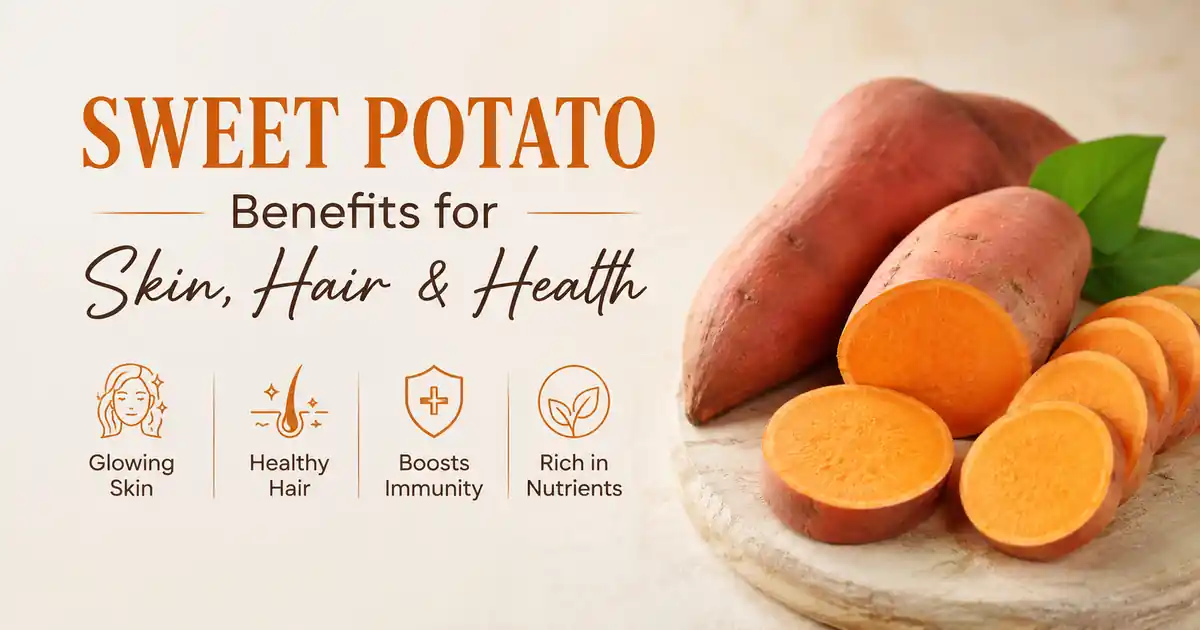
Sweet potatoes, also known as Shakarkandi or Shakarkand in India, are far more than a comforting winter snack. These naturally sweet, colourful root vegetables are packed with skin-loving nutrients, hair-supporting vitamins, fibre, and powerful antioxidants that nourish the body from within.
Whether roasted on roadside coal fires during winter, added to chaat, blended into soups, or enjoyed as part of healthy meals, sweet potatoes have become a favourite in many homes, not only for their taste but also for their impressive health benefits.
From promoting glowing skin to supporting healthy hair growth, sweet potatoes offer a simple and natural way to add more nutrition to your daily diet.
What Are Sweet Potatoes?

Sweet potatoes are starchy root vegetables that belong to the morning glory family. Unlike regular potatoes, they are naturally sweeter and richer in antioxidants, especially beta-carotene, which gives the varieties their bright orange colour.
They have been cultivated for thousands of years and originally came from Central and South America before spreading across different parts of the world.
In India, Shakarkandi is especially popular during winter and fasting seasons. It is loved for its naturally sweet flavour, satisfying texture, and easy digestibility.
Nutritional Value of Sweet Potatoes
Sweet potatoes are considered a nutritional powerhouse because they contain a wide range of vitamins, minerals, fibre, and plant compounds that support overall health.
Important Nutrients Found in Sweet Potatoes
- Rich in beta-carotene (Vitamin A) for healthy skin and immunity
- Good source of Vitamin C that supports collagen production
- Contains Vitamin B6 for energy metabolism
- Provides potassium that supports heart and muscle function
- Contains iron that helps maintain energy levels
- High in dietary fibre for digestion and gut health
- Loaded with antioxidants that protect cells from damage
Their vibrant colour is a sign of their antioxidant content, especially in orange and purple varieties.
Types of Sweet Potatoes
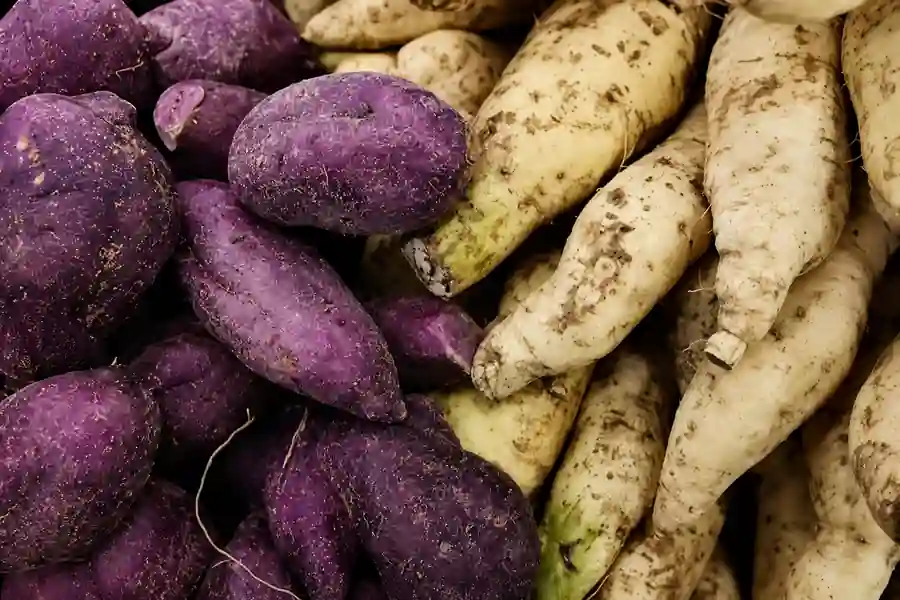
Sweet potatoes come in many colours and textures around the world. Each variety has its own taste and nutritional qualities.
Common Types of Sweet Potatoes
Orange Sweet Potatoes
Soft, creamy, naturally sweet, and rich in beta-carotene.
White Sweet Potatoes
Milder in flavour with a firmer texture.
Purple Sweet Potatoes
Loaded with anthocyanins, powerful antioxidants that help fight oxidative stress.
Japanese Sweet Potatoes
Known for their chestnut-like flavour and naturally sweet taste.
Sweet Potato Varieties in India
India also has several local varieties of Shakarkandi that differ in colour, sweetness, and texture.
Popular Indian Varieties
- Classic orange-fleshed Shakarkandi
- Dharwad sweet potatoes with reddish-purple skin
- Kerala’s red-skinned varieties
- Assam-grown orange, white, and purple types
No matter the variety, sweet potatoes are highly nutritious and easy to include in everyday meals.
Benefits of Sweet Potatoes for Skin
If you want naturally glowing skin, adding sweet potatoes to your diet can be surprisingly beneficial. Their vitamins and antioxidants help nourish the skin from within.
1. Helps Maintain Healthy Skin Cells
Sweet potatoes are high in beta-carotene, which converts to Vitamin A in the body. Vitamin A promotes healthy skin cell production and enhances overall skin texture.
Regular intake may help your skin look smoother, fresher, and healthier.
2. Helps Reduce Early Signs of Ageing
Sweet potatoes contain antioxidants like Vitamins C and E that help fight free radical damage.
These antioxidants may help:
- Reduce fine lines
- Improve skin radiance
- Minimise dullness
- Support youthful-looking skin
3. Supports Skin Hydration
Sweet potatoes naturally contain water and skin-supporting nutrients that help maintain moisture balance.
This may help reduce:
- Dryness
- Flaky skin
- Rough texture
4. Supports Collagen Production
Vitamin C in sweet potatoes helps support collagen formation, which is important for firm and healthy-looking skin.
Collagen plays a major role in maintaining skin elasticity and smoothness.
5. Helps Calm Skin Inflammation
Sweet potatoes contain anti-inflammatory compounds that may help soothe irritated or sensitive skin.
This makes them a beneficial addition to the diet for people dealing with:
- Acne-prone skin
- Skin redness
- Dry and irritated skin
Sweet Potato Benefits for Hair
Sweet potatoes are also beneficial for scalp health and stronger hair growth because they provide nutrients needed for healthy follicles.
1. Supports a Healthy Scalp
Vitamin A helps support natural sebum production in the scalp. This natural oil keeps the scalp moisturised and helps prevent excessive dryness.
2. May Support Hair Growth
Sweet potatoes contain biotin and other essential nutrients that help support healthy hair growth and stronger strands.
3. Helps Reduce Hair Breakage
Vitamin C improves iron absorption, which is important because low iron levels are often linked to weak and brittle hair.
Their nutrients may help strengthen hair from within.
4. Helps Protect Hair Follicles
The antioxidants and anti-inflammatory compounds in sweet potatoes help protect hair follicles from oxidative stress and inflammation.
5. Adds Natural Shine to Hair
Nourishing foods often reflect in hair quality over time. Regular consumption of nutrient-rich foods like sweet potatoes may help improve softness and natural shine.
Best Ways to Eat Sweet Potatoes
Sweet potatoes are versatile and can be enjoyed in many healthy ways.
1. Roasted Sweet Potatoes
Coal-roasted Shakarkandi is a popular winter favourite in India. Roasting enhances their natural sweetness and flavour.
2. Boiled Sweet Potatoes
Simple, filling, and easy to digest. You can sprinkle black salt, lemon juice, or chaat masala for extra taste.
3. Steamed Sweet Potatoes
Steaming helps retain nutrients and keeps them light on the stomach.
4. Grilled Sweet Potatoes
Grilled wedges make a healthy snack or side dish.
5. Mashed Sweet Potatoes
Mashed sweet potatoes can be used in soups, healthy desserts, or savoury dishes.
6. Sweet Potato Chaat
A delicious Indian-style option made with spices, lemon juice, herbs, and boiled/roasted sweet potatoes.
Tips for Eating Sweet Potatoes
- Eat in moderate portions as part of a balanced diet
- Prefer roasting, steaming, or boiling instead of deep frying
- Start slowly if you are not used to high-fibre foods
- Try different varieties for diverse nutrients
- People monitoring blood sugar should watch portion sizes
- Pair them with protein or healthy fats for balanced meals
Are Sweet Potatoes Better Than Regular Potatoes?
Sweet potatoes are often considered more nutrient-dense because they contain:
- More beta-carotene
- Higher antioxidant levels
- More fibre
- Better vitamin content
However, both can be part of a healthy diet when cooked properly.
Final Thoughts
Sweet potatoes are one of those simple natural foods that offer both taste and nutrition. From supporting glowing skin to nourishing healthy hair, they provide vitamins, antioxidants, and fibre that benefit overall wellness.
Whether you enjoy them roasted in winter, added to salads, blended into soups, or turned into healthy snacks, Shakarkandi can be an easy and delicious addition to your daily meals.
Small dietary habits often make a big difference over time, and sweet potatoes are a wholesome food worth including regularly.
(FAQs)
1. Are sweet potatoes good for the skin?
Yes. Sweet potatoes are rich in beta-carotene and Vitamin C, which support healthy skin and help improve skin glow.
2. Do sweet potatoes help hair growth?
Sweet potatoes contain nutrients like Vitamin A, Vitamin C, and biotin that support scalp health and healthy hair growth.
3. Can sweet potatoes be eaten daily?
Yes, they can be eaten regularly in moderate amounts as part of a balanced diet.
4. Which sweet potato is healthiest?
Orange and purple sweet potatoes are considered especially nutritious because of their high antioxidant content.
5. What is the healthiest way to cook sweet potatoes?
Steaming, boiling, roasting, and baking are healthier cooking methods because they retain nutrients without excess oil.
6. Are sweet potatoes good for digestion?
Yes. Their fibre content supports digestion and helps promote gut health.
7. Do sweet potatoes raise blood sugar?
Sweet potatoes have a lower glycemic index than regular potatoes, but portion control is still important for people managing blood sugar levels.
Disclaimer
This article is for informational purposes only and should not replace professional medical advice. Consult a healthcare professional for personalised dietary or medical guidance.
References
- USDA FoodData Central – Sweet Potato Nutrition Profile
- Nutrients Journal – Role of Vitamin C in Skin Health and Collagen Production
- International Journal of Trichology – Nutritional Deficiencies and Hair Health
- Journal of Medicinal Food – Antioxidant Properties of Sweet Potatoes
- Advances in Nutrition – Beta-Carotene and Skin Health

A natural living enthusiast passionate about Ayurveda and holistic wellness. Through HealthBooti, she shares well-researched, practical health tips and lifestyle guidance to help individuals and families embrace healthier habits naturally. Her mission is to make natural healing simple, safe, and accessible for everyday life.