Last Updated: 12 August 2026
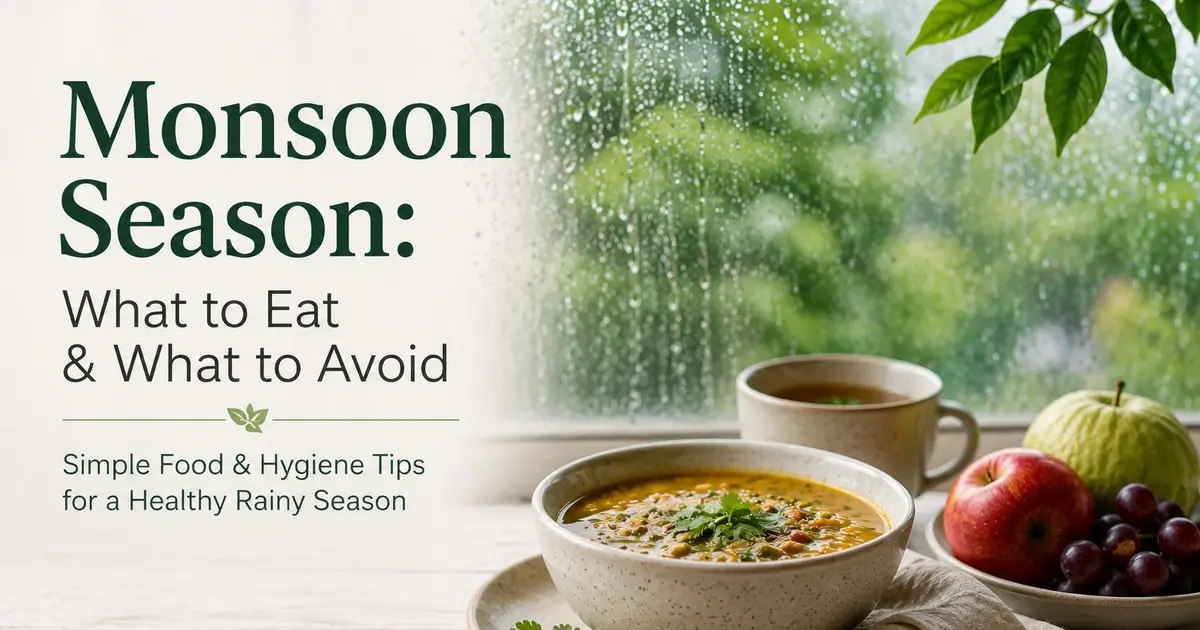
There’s something special about the monsoon. The sound of rain, cooler evenings, fresh greenery, and, of course, the sudden craving for a hot cup of tea with something crispy on the side. But while we enjoy the season, our food habits deserve a little attention too.
During monsoon, humidity, changing temperatures, and water contamination can affect food freshness and hygiene. That doesn’t mean you need to follow a strict “monsoon diet” or give up all your favourite foods. A few sensible choices can help you enjoy the season without making your meals unnecessarily complicated.
So, what to eat during monsoon? And which foods are better kept off the menu, or at least eaten with a little more caution?
Let’s look at the simple, practical choices that can make your monsoon diet healthier, safer, and easier to follow.
Why Does the Monsoon Change the Way We Eat?
Rainy weather doesn’t just change what we wear or how often we carry an umbrella. It can also change how quickly food spoils, how safely it needs to be stored, and how careful we need to be about water and raw foods.
The important thing to remember is that not every food needs to be avoided during the monsoon. Some simply need a little more care when it comes to freshness, washing and preparation.
For example, you don’t have to say goodbye to leafy vegetables or salads just because it’s raining. The more important questions are: Were they washed properly? Are they fresh? How were they prepared and stored?
That’s why a good monsoon diet isn’t about following a long list of restrictions. It’s about making a few smarter choices.
Now let’s look at what actually deserves a place on your plate during monsoon.
So, What to Eat During Monsoon?
There is no special food you must eat just because it is raining. The idea is simpler. Choose foods that are fresh, nutritious, reasonably easy to digest, and safely prepared.
And you don’t have to search for exotic “monsoon superfoods.” Many of the best choices are already sitting in your kitchen.
1. Seasonal fruits-but eat them fresh
Monsoon gives us plenty of delicious fruit choices, including pomegranate, pears, peaches, plums, cherries, apples, mangoes and jamun.
Whole fruits are generally a better everyday choice than packaged juices because you also get their natural fiber.
One simple habit that makes a difference:
- wash your fruit well before cutting it.
- Once you cut it, the inside is exposed, so make sure your hands, knife and cutting board are clean too.
2. Let vegetables stay on your plate
You don’t have to give up vegetables just because it’s monsoon. Just be a little more careful about freshness, washing and preparation.
Bottle gourd, ridge gourd, okra, carrots, pumpkin, beans and bell peppers can all be part of a balanced diet. The important thing is to buy fresh produce, wash it well and prepare it hygienically.
For vegetables that grow in or close to the soil, such as carrots, radishes and beetroots, take a little extra care to remove dirt before cooking.
3. Make warm, simple meals your rainy-day friends
A bowl of dal, vegetable soup, khichdi, lightly cooked vegetables or a warm homemade meal can be much more appealing on a cool, rainy day than a complicated monsoon diet plan.
During monsoon, many people prefer lighter meals and may find very heavy or greasy foods less comfortable. So this is a good time to keep your meals simple, fresh and easy on the stomach.
These meals also make it easier to combine several food groups on one plate. Vegetables, grains, pulses and protein, without making your meal complicated.
4. A Warm Herbal Drink Can Be a Nice Monsoon Habit
There is something comforting about holding a warm cup while it rains outside. Homemade drinks such as ginger tea, tulsi tea, cinnamon tea, mint tea or lemon-ginger water can be a pleasant way to add variety to your daily fluids.
You don’t need to make these drinks overly strong or load them with sugar. A simple homemade preparation is often enough.
Sometimes, all you need is a warm herbal drink, a rainy evening, and a few quiet moments to yourself.
5. Don’t forget protein
A monsoon diet shouldn’t become all about soups and fruits.
Include familiar protein sources such as dal, beans, chickpeas, paneer, eggs, fish or other foods that fit your usual diet.
A balanced meal keeps you satisfied fo longer and is much more useful than simply chasing foods advertised as “immunity boosters.”
6. Let Your Everyday Spices Do Their Job
You don’t need a cupboard full of supplements to make your monsoon meals more nourishing. Some of the simplest additions are already part of Indian cooking.
Ginger, garlic, turmeric, cumin, clove and black pepper can add flavour and variety to dals, vegetables, soups and curries.
Ginger, in particular, works beautifully in rainy-weather meals and drinks. Turmeric has a long history in Indian cooking and traditional medicine, although it’s better to enjoy these ingredients as part of your food rather than treating them like medicines.
Think of spices as a useful addition to a balanced meal, not a substitute for one.
7. Don’t Forget Vitamin C-Rich Foods
Vitamin C is an important nutrient that supports normal immune function, so foods rich in it deserve a regular place in your diet, not just during the monsoon.
Amla, guava, oranges, sweet lime, lemon, bell peppers, broccoli and strawberries are all good choices.
You don’t need to make it complicated. Have some guava or amla as a snack, squeeze fresh lemon over your meals, or simply enjoy a whole fruit when you’re in the mood for something fresh.
A colourful, varied plate usually does more for your diet than chasing a single “superfood.”
5. Fermented and Probiotic Foods Can Stay on the Menu
Fermented foods such as idli, dosa, plain curd or yogurt can easily be part of a balanced diet during monsoon. There is no need to avoid them simply because the weather has changed.
The one thing worth paying attention to is freshness. Warm and humid conditions can make food spoil more quickly if it isn’t handled or stored properly.
So, enjoy your favourite fermented foods, but make sure they are fresh, properly prepared and stored correctly.
Wondering whether curd is actually a good choice during the rainy season? Read our guide: Can You Eat Curd During Monsoon? What Ayurveda Says
5. Keep your water safe, not just plentiful
When it rains, you may not feel as thirsty as you do in summer. That can make it easy to forget to drink enough water.
Keep safe drinking water nearby and drink regularly throughout the day. If you are using a reusable bottle, clean it regularly too.
Hydration only helps when the water itself is safe.
Now, What to Avoid During Monsoon
You do not need to follow a highly restrictive diet during the rainy season. However, certain foods require extra caution because humidity, moisture, improper storage, and unhygienic preparation can increase the risk of spoilage or contamination.
Here are some foods and eating habits worth limiting during the monsoon.
1. Street Food and Outside Juices
Street food can be tempting on a rainy day, but hygiene and food-handling conditions may vary considerably from one place to another.
Food prepared with questionable water, uncovered ingredients, reused oil, or poor handling can increase the risk of foodborne illness. Fresh juices and cut fruits from roadside vendors also deserve caution because you may not know the quality of the water, ice or utensils being used.
If you are eating outside, choose food that is freshly prepared, served hot and made in a clean environment.
And when in doubt, homemade wins.
2. Be Careful With Raw Sprouts
Sprouts are nutritious, but raw or undercooked sprouts can sometimes carry harmful bacteria. This isn’t a reason to remove them from your diet altogether.
If you enjoy sprouts, wash and handle them carefully and cook them thoroughly before eating. A warm bowl of cooked sprouts can be just as enjoyable as a raw one.
3. Stale or Improperly Stored Food
This is one monsoon rule worth taking seriously.
We often think food is safe as long as it looks and smells fine. Unfortunately, that’s not always a reliable test. Food left at room temperature for too long can become unsafe even when there is no obvious change in appearance.
A simple habit can make a big difference: prepare fresh food when possible, refrigerate leftovers promptly, and reheat them thoroughly before eating. If food has been sitting at room temperature for several hours, especially in warm and humid weather, it’s better to be cautious rather than take a chance.
4. Leafy Vegetables, Don’t Avoid Them Blindly
This is one of those traditional monsoon rules that deserves a little explanation.
Leafy vegetables can collect soil, dirt and moisture more easily because of their many folds and surfaces. That’s why our parents and grandparents often advised extra caution with them during the rains.
But you don’t have to ban spinach, fenugreek, coriander or other leafy vegetables from your kitchen.
Instead:
- Choose fresh, crisp leaves.
- Remove damaged or wilted portions.
- Wash them thoroughly with clean water.
- Prepare and cook them properly.
- Don’t keep washed or cut vegetables sitting around unnecessarily.
The issue is cleanliness and freshness, not the vegetable itself.
5. Vegetables That Grow in the Soil
Carrots, radishes, beetroots, potatoes and sweet potatoes don’t become unhealthy during monsoon. But because they grow in or close to the soil, they can carry dirt and soil particles when purchased.
Give them a good wash before preparing them and remove any damaged or spoiled portions.
If you’re cooking them, proper cooking adds another layer of food-safety protection.
So again, the rule is not to avoid underground vegetables. It’s to clean them properly before they reach your plate.
6. Raw Salads and Cut Fruits From Unreliable Sources
A homemade salad made from properly washed, fresh vegetables is very different from a plate of cut vegetables that has been sitting uncovered outside.
During monsoon, be particularly careful with cut fruits, raw salads, chutneys and other ready-to-eat foods from places where hygiene and water quality are uncertain.
At home, prepare salads fresh, use clean utensils and eat them soon after preparation.
7. Too Much Fried and Oily Food
Pakoras, samosas, kachoris and other fried snacks are part of the joy of a rainy evening. There’s no need to pretend otherwise.The problem is when these foods become an everyday habit.
Eating large amounts of fried and oily foods may leave you feeling heavy and can be uncomfortable for some people.
Instead, balance your meals with lighter cooking methods such as steaming, baking, grilling, or sautéing.
If you are craving a rainy-day snack, try homemade options prepared with fresh ingredients and moderate amounts of oil.
8. Food and Drinks Made With Unsafe Water
During monsoon, water deserves more attention than it usually gets.
Ice, fresh juices, chutneys, raw foods and even food washed with contaminated water can become a concern if the water source isn’t safe.
At home, use safe drinking water for drinking, cooking and preparing foods that won’t be cooked later.
When travelling, carry safe water with you whenever possible.
How to Wash Fruits and Vegetables During Monsoon
Monsoon is a good time to be a little more careful about how we wash fresh produce, especially vegetables that may carry soil or dirt.
You don’t need a complicated vegetable-washing formula. A simple routine is usually enough:
- Wash your hands before handling fruits and vegetables.
- Rinse the produce thoroughly under clean running water.
- Gently rub firm fruits and vegetables while washing. For firm produce with a textured surface, a clean vegetable brush can help remove dirt.
- Remove damaged, bruised or spoiled portions before eating or cooking.
- Wash fruits and vegetables before cutting or peeling them.
- Keep washed produce away from raw meat, dirty utensils and other sources of contamination.
There is no need to use soap, detergent or other household cleaning products on your fruits and vegetables. What matters most is clean water, thorough washing and good food-handling habits.
A little extra care before the food reaches your plate can go a long way.
Simple Habits That Make a Difference
| Simple monsoon habit | Why it matters |
|---|---|
| Wash your hands before eating or cooking | Helps maintain good food hygiene |
| Wash fruits and vegetables with clean running water | Helps remove dirt and surface contamination |
| Use safe water for drinking and cooking | Reduces the risk of water-related contamination |
| Eat freshly prepared food whenever possible | Reduces the chance of eating spoiled food |
| Refrigerate leftovers promptly | Helps slow bacterial growth |
| Keep your water bottle clean | Prevents buildup and keeps it hygienic |
| Cook meat, seafood and eggs thoroughly | Helps destroy harmful microorganisms |
| Keep raw and cooked foods separate | Helps prevent cross-contamination |
The Monsoon Rule Worth Remembering
You don’t need to memorise a long list of food restrictions. Before eating, just ask yourself four simple questions:
Is it fresh?
Is it clean?
Is it properly cooked or safely prepared?
Has it been stored correctly?
If the answer is yes, you’re already making smarter food choices during the rainy season.
Final Thoughts
The monsoon is a season to enjoy, not one to spend worrying about every bite of food.
You don’t need a complicated diet to know what to eat during monsoon. Enjoy a variety of fresh fruits, vegetables, protein-rich foods and simple homemade meals. At the same time, pay a little extra attention to freshness, clean produce, safe water and proper food storage.
A healthy diet isn’t about giving up everything you enjoy. It’s about making sensible choices, knowing what to enjoy and how often, and paying attention to how your food is prepared and stored.
Eat well, stay mindful, and enjoy the rains!
Disclaimer
This article is for general informational purposes only and is not a substitute for professional medical advice. If you have a medical condition or specific dietary concerns, consult a qualified healthcare professional.
References
- World Health Organisation (WHO) – Food Safety
- U.S. Food & Drug Administration (FDA) – Selecting and Serving Produce Safely
- World Health Organisation (WHO) – Foodborne Diseases
.

A natural living enthusiast passionate about Ayurveda and holistic wellness. Through HealthBooti, she shares well-researched, practical health tips and lifestyle guidance to help individuals and families embrace healthier habits naturally. Her mission is to make natural healing simple, safe, and accessible for everyday life.