Last Updated: 22 April 2026
Hair is often called the crowning glory, and for good reason. Healthy, thick, and shiny hair doesn’t just enhance your appearance. It also reflects how well your body is nourished and cared for from within.
But when your hair starts thinning, breaking, or falling more than usual, it slowly becomes a source of concern. You begin to notice extra strands on your pillow, in your comb, or scattered across the bathroom floor, and with that comes worry, confusion, and the constant question: “What’s going wrong?”
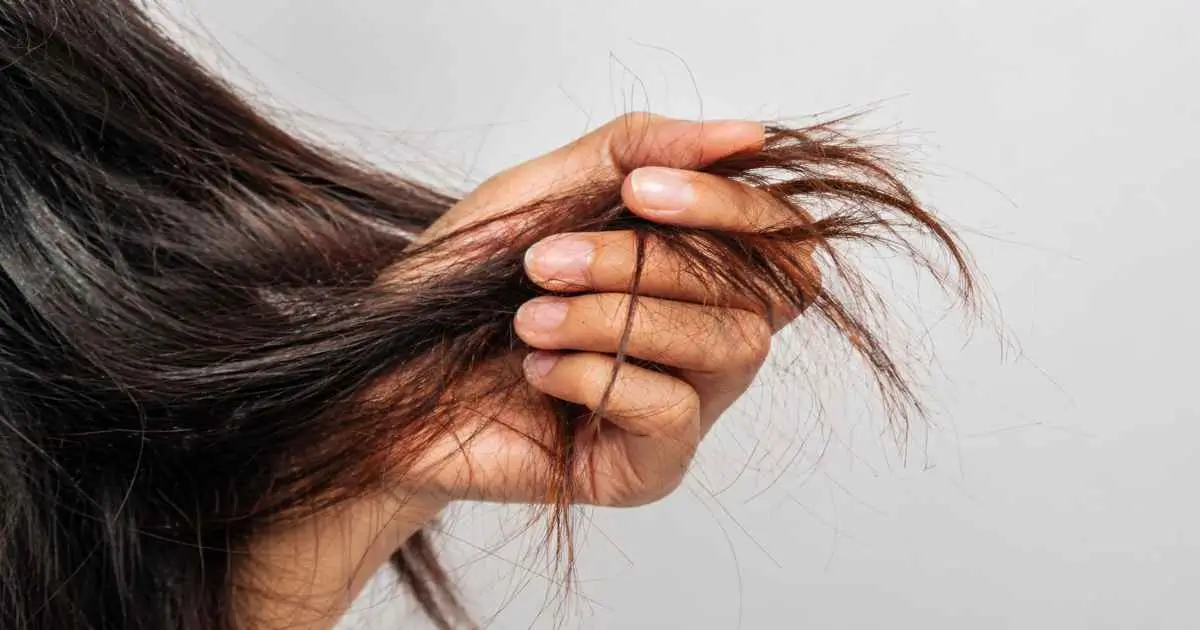
The truth is, damaged hair rarely has just one cause. It builds up slowly, through everyday habits, internal imbalances, and external exposure that we often ignore. The good news? Most damaged hair is reversible if you understand its root causes and take the right steps.
In this article, we’ll gently understand what really affects your hair health from the inside out, and what you can realistically do to bring your hair back to life, naturally and consistently.
What Causes Damaged Hair?
Hair damage doesn’t happen overnight. It is usually the result of a combination of internal health issues and external damage.
Internal Causes of Hair Damage
Hair is a direct reflection of your inner health. If your body is well-nourished and balanced, it usually shows in the form of strong, healthy hair. So whenever you notice any hair-related issue, the first and most important step is to look inward and understand what your body might be lacking. So the possible causes might be –
Poor Diet
A lack of essential nutrients like protein, iron, and vitamins can weaken hair follicles, leading to hair fall, dullness, and slow growth.
Lack of Sleep (Insomnia)
When you don’t get enough quality sleep, or suffer from insomnia, your body is unable to repair and regenerate cells effectively, including those responsible for healthy hair growth.
Anaemia (Iron Deficiency)
Anaemia, which is very common in women, reduces the oxygen supply to hair roots, resulting in excessive hair fall and thinning.
Stress
Stress is a key factor that affects overall health, and it can also have a direct impact on hair growth and lead to increased hair fall.
Hormonal Imbalance
Hormonal imbalances such as thyroid disorders, PCOS, or elevated androgen levels can disrupt the natural hair growth cycle and lead to hair thinning, especially in women with a genetic predisposition.
Underlying Medical Conditions
Any long-term illness or underlying medical condition, along with nutritional deficiencies, can negatively affect hair quality and slow down hair growth.
External Causes of Hair Damage
Even if your internal health is good, poor hair care habits can still lead to significant hair damage. Daily exposure to heat, chemicals, and improper handling weakens the hair over time. That’s why external care is just as important as internal health. Now, let’s look at some external factors that can damage your hair –
Wrong Hair Products
Using harsh shampoos or products that are not suited to your hair type can strip away natural oils, leaving your hair dry, rough, and brittle. So, it is always better to choose hair care products that are specifically designed for your hair type.
Chemical Treatments
Frequent colouring, rebonding, perming, or bleaching weakens the hair shaft and leads to breakage and split ends.
Heat Styling Tools
Excessive use of straighteners, curlers, and hair dryers removes moisture and damages hair structure.
Sun Exposure (UV Damage)
Prolonged exposure to sunlight can make hair dry, rough, and prone to breakage.
Chlorinated Water & Air Pollution
Chlorine can strip your hair of its natural oils, leaving it dry and brittle, while constant exposure to pollution can make your hair appear dull, weak, and lifeless over time.
Rough Handling
Rubbing your hair vigorously with a towel, combing it while it is still wet, or frequently tying it into tight hairstyles can all put excessive stress on the strands, leading to unnecessary breakage and damage over time.
Dandruff & Scalp Infections
Fungal infections and dandruff weaken hair roots and can lead to hair loss if untreated.
How to Revive Damaged Hair Naturally
Reviving damaged hair is not about quick fixes. It requires consistent care from both within and outside the body. When you focus on the right nutrition, healthy habits, and proper hair care routine, you gradually start to see real improvement in your hair health.
Eat a Balanced Diet (Most Important Step)
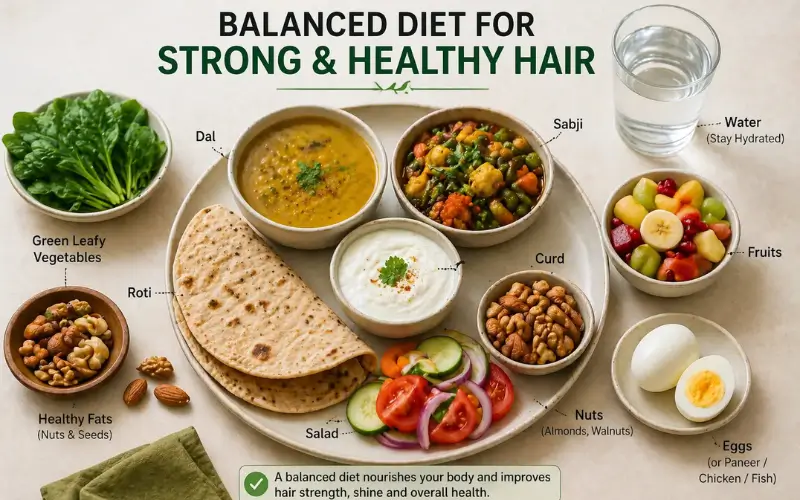
Healthy hair doesn’t come from one “superfood.” It is built on a combination of the right nutrients working together inside your body. Instead of focusing on one thing, aim for a balanced, nutrient-rich diet that supports hair from the root level.
Include These Key Nutrients Daily:
Protein (Hair’s Building Block)
Hair is made of keratin, a type of protein. Without enough protein, hair becomes weak and prone to breakage.
Sources: lentils (dal), chickpeas, beans, paneer, tofu, soy, peanuts, eggs, fish
Iron (Prevents Hair Fall)
Low iron levels are one of the most common reasons for hair thinning, especially in women.
Sources: spinach, beetroot, pomegranate, jaggery (gur), lentils. (Pair with Vitamin C for better absorption)
Vitamin B12 (Often Overlooked but Crucial)
Supports red blood cell formation and oxygen supply to hair roots. Deficiency can lead to hair fall.
Sources: milk, curd, paneer, fortified cereals, eggs, non-vegetarian foods
Omega-3 Fatty Acids (Scalp Nourishment)
Keeps scalp hydrated and supports healthy hair growth.
Sources: flax seeds (alsi), chia seeds, walnuts, fatty fish
Vitamin C (Collagen + Iron Absorption)
Helps in collagen production and improves iron absorption, both essential for hair strength.
Sources: amla, lemon, guava, oranges
Biotin and Zinc (Hair strength and growth)
Helps improve hair strength, thickness, and overall texture.
Sources: whole grains, nuts, seeds, bananas, peanuts, eggs
Hair repair doesn’t come from a single miracle food or supplement. It improves when your daily diet consistently provides the right nourishment your body needs.
Stay Hydrated
Water helps:
- Flush toxins
- Maintain scalp hydration
- Improve hair texture
Aim for 7-10 glasses daily, depending on your activity level.
Never Skip Breakfast
After fasting overnight, your body needs proper fuel to start the day. Including a nutritious breakfast with protein-rich foods like eggs and sprouts, along with complex carbohydrates such as oats and whole grains, can help sustain energy, support metabolism, and promote healthier hair growth.
Avoid Junk & Packaged Foods
Frequent consumption of:
- Refined sugar
- Packaged snacks
- Excess caffeine
These foods provide little to no essential nutrients and can interfere with the body’s ability to absorb what it actually needs. As a result, this can lead to nutrient deficiencies that directly impact hair health, making it weaker, duller, and more prone to breakage and hair fall.
Exercise & Yoga Regularly
Regular exercise and yoga offer multiple benefits for hair health. They help improve blood circulation to the scalp, ensuring that hair roots receive better oxygen and nutrients. At the same time, they reduce stress and support better nutrient absorption in the body. Even dedicating just 30 minutes daily can make a noticeable difference over time.
Get Quality Sleep
Sleep helps:
- Repair damaged cells
- Balance hormones
- Reduce stress
To allow your body enough time to restore and recover, aim for 7-8 hours of deep, restful sleep each night.
How to Protect Your Hair from External Damage
Follow these simple yet powerful habits:
- Use a mild, sulfate-free shampoo
- Wash hair with cool or lukewarm water
- Always apply conditioner (mid-length to ends)
- Use a weekly hair mask
- Oil massage once a week (avoid if scalp is oily)
- Use a wide-tooth comb
- Avoid heat styling tools
- Protect hair from the sun (use hat/scarf/umbrella)
- Use a soft cotton cloth or a T-shirt to dry hair
Final Thoughts
Healthy hair is not achieved through expensive products alone. It is the result of consistent care, proper nutrition, and mindful daily habits. When you focus on both your internal health and external hair care, you gradually begin to see real improvements. Over time, this gentle and consistent approach can help your hair regain its strength, softness, and natural shine, reminding you that with the right care, your hair can heal and thrive again.
Disclaimer
This content is intended for informational purposes only and is based on general health and wellness knowledge. It is not a substitute for professional medical advice, diagnosis, or treatment. Hair fall, hair thinning, or scalp-related concerns can have underlying medical causes. Always consult a qualified healthcare professional or dermatologist if you are experiencing persistent or severe hair issues.
References
- World Health Organisation (WHO) – Nutrition and Micronutrients
https://www.who.int/health-topics/nutrition - National Institutes of Health (NIH) – Office of Dietary Supplements
https://ods.od.nih.gov - American Academy of Dermatology (AAD) – Hair Loss: Causes and Treatment
https://www.aad.org/public/diseases/hair-loss

A natural living enthusiast passionate about Ayurveda and holistic wellness. Through HealthBooti, she shares well-researched, practical health tips and lifestyle guidance to help individuals and families embrace healthier habits naturally. Her mission is to make natural healing simple, safe, and accessible for everyday life.